

Introduction
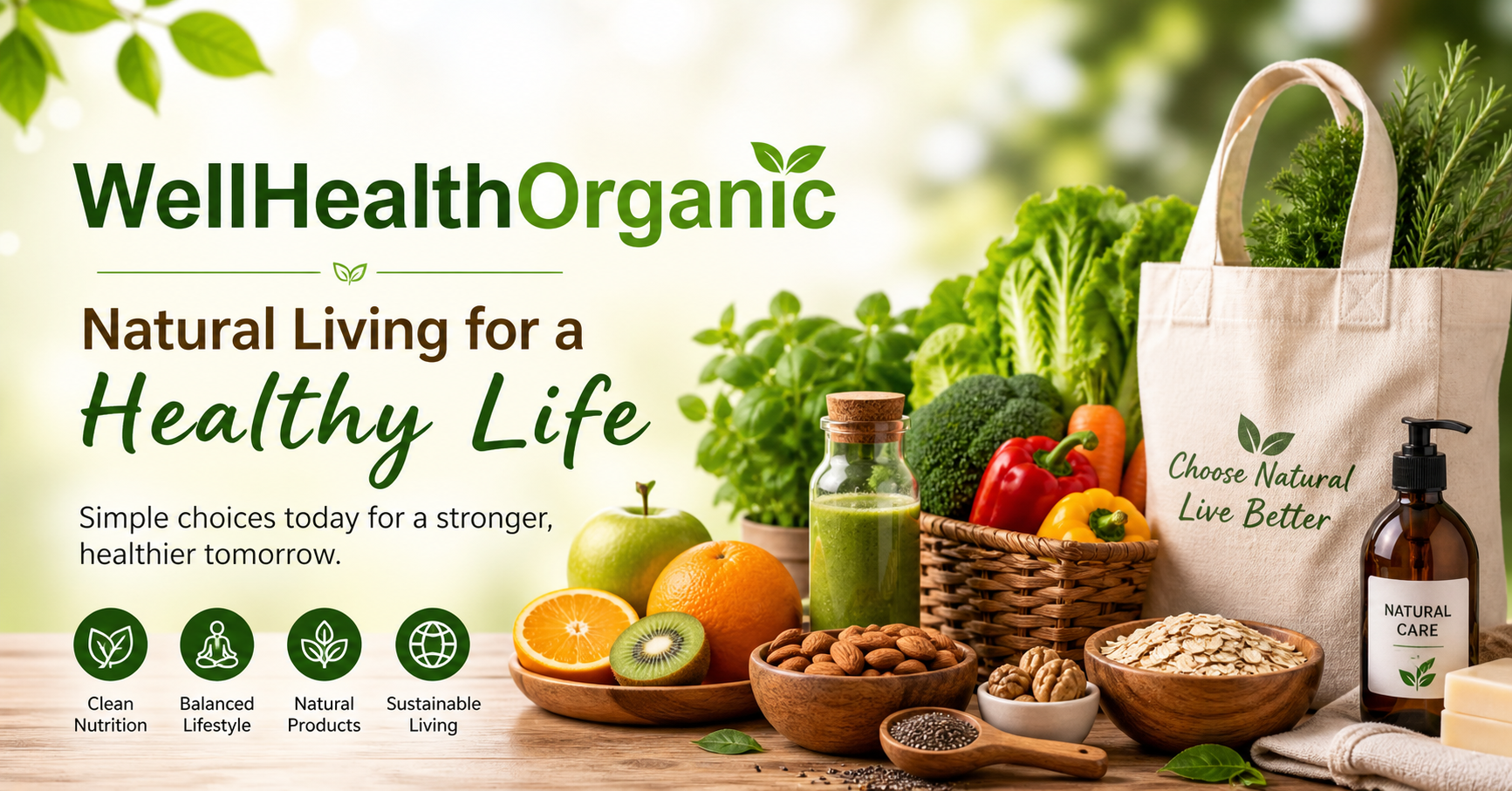
Natural living continues to gain attention as people seek better health through simple, mindful habits. Many households now prefer cleaner food, safer products, and balanced routines that support long-term wellness. This approach focuses on prevention, consistency, and awareness rather than quick fixes. By making small, steady changes, individuals can improve energy, immunity, and mental clarity while maintaining a practical lifestyle that fits daily responsibilities.
What Natural Living Really Means
Natural living refers to choices that reduce exposure to harmful substances while supporting the body’s natural functions. It includes food, environment, and routine habits. People often begin with basic steps such as choosing fresh ingredients or reducing chemical-based products. These actions build a foundation that encourages healthier patterns and improves overall well-being without adding stress or confusion.
The Role of Clean Nutrition
Food plays a central role in natural health practices. Fresh fruits, vegetables, whole grains, and unprocessed items provide essential nutrients. Balanced meals support digestion and stable energy levels throughout the day. Reliable platforms like wellhealthorganic offer insights that help individuals understand food quality and ingredient value while making smarter dietary decisions that align with long-term wellness goals.
Benefits of Organic Choices
Organic products often contain fewer synthetic chemicals compared to conventional options. This difference supports better internal balance over time. Reduced pesticide exposure can help improve digestion and skin health. Choosing organic also supports sustainable farming methods, which contribute to soil health and environmental protection. These benefits make organic living a practical step for individuals seeking cleaner lifestyles.
Daily Habits That Support Wellness
Consistency matters more than perfection in natural living. Simple habits like staying hydrated, maintaining sleep schedules, and practicing mindful eating create noticeable improvements. Gentle physical activity, such as walking or stretching, supports circulation and flexibility. These actions work together to maintain balance and prevent fatigue, helping individuals stay active and focused throughout the day.
Mindful Routine Building
Structured routines help maintain discipline without feeling restrictive. Small adjustments, repeated daily, lead to lasting results. Planning meals, setting sleep times, and limiting processed items create a stable rhythm. Over time, these routines become natural behaviors that require less effort while delivering consistent health benefits.
Importance of Mental Well-being
Mental health remains closely linked with physical wellness. Stress management techniques, including meditation and deep breathing, support emotional balance. Taking breaks from screens and spending time in calm environments improves focus and clarity. Maintaining mental peace enhances productivity and supports healthier decisions in daily life.
Natural Products and Home Environment
Household products influence health more than many realize. Switching to natural cleaners and personal care items reduces chemical exposure. Air quality also plays a role in wellness. Proper ventilation and indoor plants can help maintain a fresher environment. These changes create a safer space that supports long-term health for families.
Physical Activity and Movement
Regular movement supports heart health, muscle strength, and flexibility. Activities do not need to be intense to be effective. Walking, yoga, or light exercises can deliver consistent results when practiced regularly. Staying active also improves mood and energy levels, making daily tasks easier to manage.
Building Sustainable Health Practices
Sustainability ensures that health habits last over time. Quick changes often fail because they feel difficult to maintain. Gradual improvements, combined with realistic goals, create lasting success. Tracking progress helps individuals stay motivated while identifying what works best for their lifestyle and schedule.
Common Challenges and Practical Solutions
Adopting natural living can feel challenging at first due to habits and convenience. Time constraints and limited awareness may slow progress. Starting small helps overcome these barriers. Replacing one product or adjusting one meal at a time creates manageable change. Over time, these small steps lead to meaningful improvements without overwhelming daily routines.
Conclusion
Natural living supports a healthier life through consistent, thoughtful choices that improve both body and mind. By focusing on clean nutrition, mindful habits, and balanced routines, individuals can create lasting wellness without complexity. This approach encourages gradual improvement, making it practical for modern lifestyles. With awareness and steady effort, anyone can build a healthier future that aligns with personal goals and daily responsibilities.